741 millones de titulares, 0.19% del comercio en línea
16/09/2026
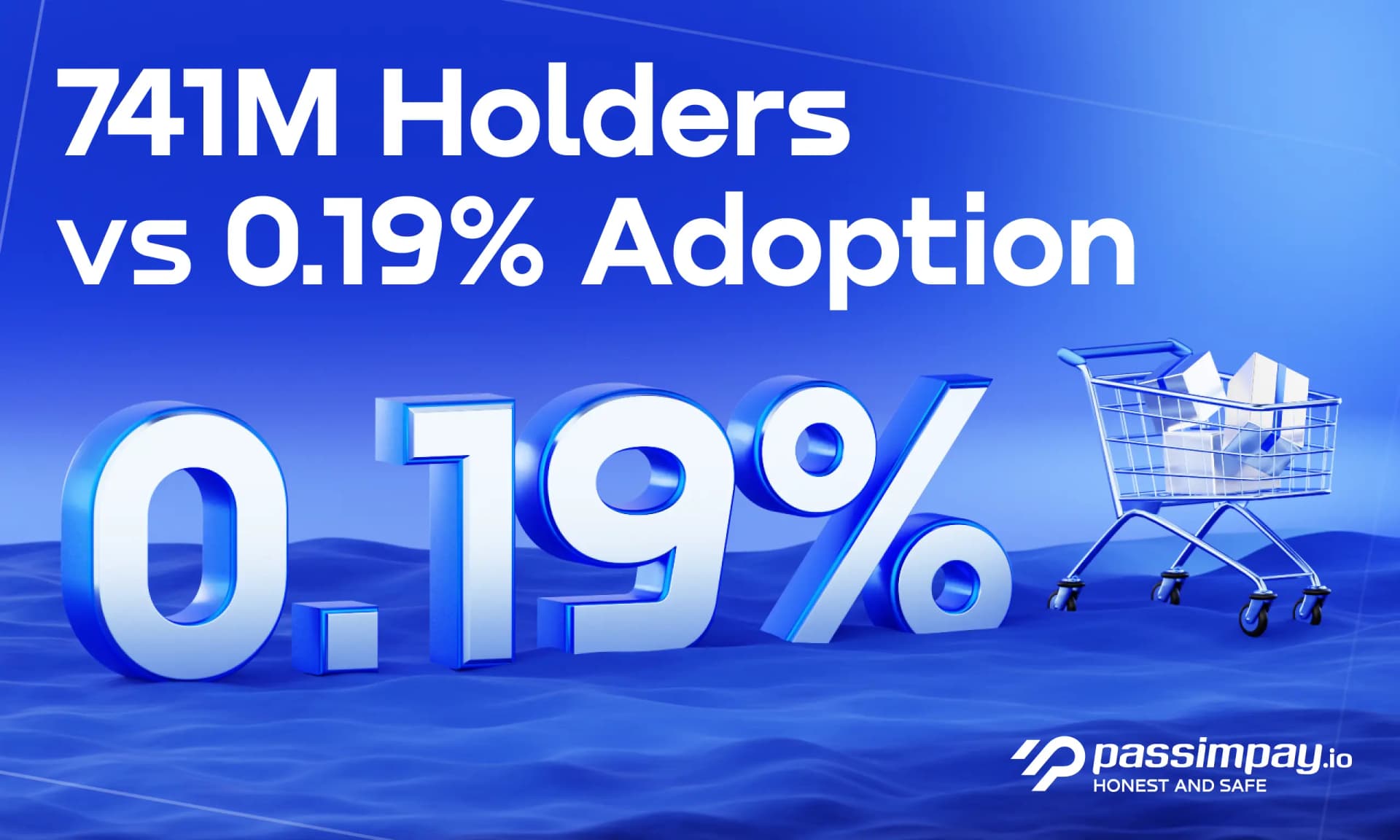
Ambas cifras proceden del informe de Cointelegraph Research "Pasarelas de pago con criptomonedas: infraestructura, adopción y la brecha en la aceptación por parte de los comercios".
La brecha parece extraña hasta que compruebas de qué lado está el obstáculo.
El problema está del lado de los comercios
Los compradores ya tienen monederos y fondos, y muchos de ellos están dispuestos a pagar con criptomonedas. Las dificultades empiezan cuando un negocio tiene que aceptar ese pago y registrarlo correctamente.
Un comercio que acepta criptomonedas directamente tiene que generar direcciones y seguir las confirmaciones en la cadena de bloques. El precio puede variar entre el pago y la liquidación. Hay que conciliar la actividad de la cadena de bloques con los registros contables, cada transacción necesita el tratamiento fiscal adecuado y alguien tiene que convertir las criptomonedas recibidas en dinero para pagar salarios y proveedores.
Además, la mayoría de los equipos nunca ha gestionado algo así. El departamento de contabilidad no tiene claro cómo debe reflejarse en los informes, y el departamento jurídico tiene dudas sobre la regulación, por lo que la decisión suele posponerse.
Según el informe, 90% de los comercios encuestados probaría las criptomonedas si fuera tan sencillo como aceptar pagos con tarjeta. Así que lo que los frena es, sobre todo, la carga de trabajo.
Lo que vemos en la práctica
Los comercios con los que trabajamos rara vez recurren a las criptomonedas por interés en la tecnología. Lo hacen cuando sus métodos de pago habituales empiezan a causar problemas.
Las transferencias bancarias transfronterizas tardan días, y las comisiones y la conversión de divisas consumen una parte considerable del importe. La adquirencia internacional de tarjetas cuesta varias veces más que el procesamiento de pagos con criptomonedas, y una transferencia por la cadena de bloques evita la cadena de bancos corresponsales.
Los pagos con criptomonedas no admiten contracargos, algo muy importante para un negocio que lleva años asumiendo reversiones fraudulentas de pagos. La desventaja es que no hay un mecanismo integrado para resolver disputas, y en las categorías con un alto volumen de disputas eso sigue siendo una limitación real.
Para nosotros, el hallazgo más interesante es que las compras minoristas ya no representan la mayor parte del volumen de pagos con criptomonedas. El volumen de liquidación B2B es varias veces superior al gasto de los consumidores en bienes, por lo que la mayoría de los pagos con criptomonedas hoy son pagos entre empresas.
Hacia dónde nos lleva esto
La cifra de 0.19% dice poco sobre la tecnología en sí. Muestra lo difícil que sigue siendo integrar las criptomonedas en las operaciones habituales de un negocio.
Esperamos que esa cifra aumente a medida que aceptar criptomonedas se vuelva tan fácil como aceptar tarjetas. Ese es el problema en el que trabajamos: quitarles a las empresas la carga operativa para que las criptomonedas se conviertan en un método de pago habitual más.
 Contáctanos →
D¿Te ha gustado este artículo? Compártelo con tus amigos.


Más